Explore the Components
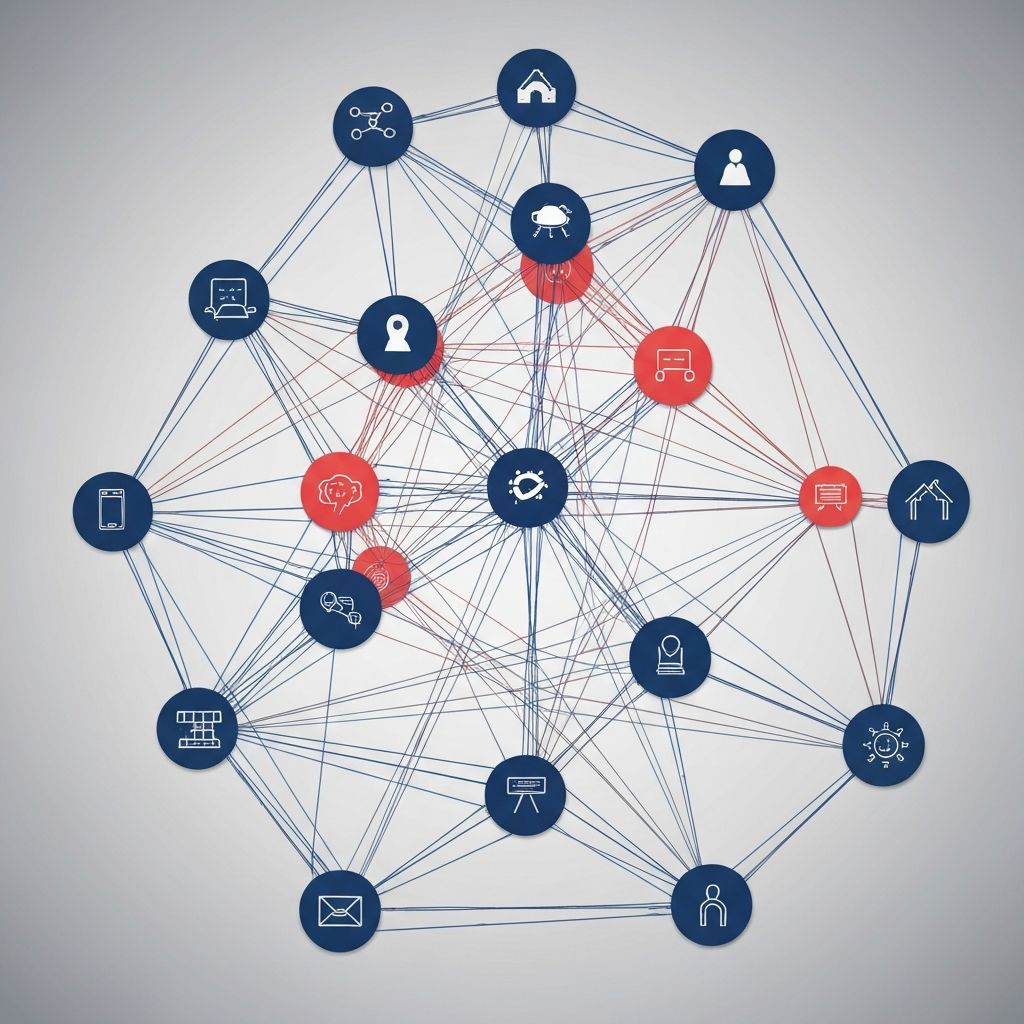
Cuva Knowledge Systems are composed of three tightly integrated capabilities. Together, they form a single system rather than isolated features.
Knowledge Assistant
A structured enterprise knowledge base with a conversational interface, enabling teams to access, validate, and reason over institutional knowledge.
Explore Knowledge AssistantKnowledge Search
An entity-centric knowledge graph that maps relationships across data, documents, and systems to enable structured discovery and navigation.
Explore Knowledge SearchRetrieval-Augmented Generation (RAG)
Contextual retrieval and grounding at execution time, ensuring AI responses and actions are based on verified enterprise knowledge.
Explore RAGWhy Knowledge Systems Matter
Enterprise AI systems fail without reliable context. Static documents, disconnected databases, and siloed systems limit accuracy and trust. Knowledge Systems address this by transforming enterprise information into structured, continuously maintained intelligence that AI can reason over and act upon.
The Knowledge System Model
Cuva Knowledge Systems combine three core capabilities into a single operating model.
Knowledge Assistant
Provides structured information and conversational access
Knowledge Search
Captures relationships between entities, documents, and data
RAG
Grounds AI reasoning and execution in relevant enterprise context
Agentic by Design
Knowledge Systems in Cuva are built and maintained by AI agents. Agents perform ETL, extraction, classification, linking, and continuous updates, ensuring knowledge stays current as enterprise data evolves.
This agentic approach enables Knowledge Systems to improve over time without manual maintenance.
Agent-Driven
Continuous Updates
Self-Improving
Where Knowledge Systems Are Used
Knowledge Systems provide context across the platform and are used by: